
 EN
 AR
 BG
 HR
 CS
 DA
 NL
 FI
 FR
 DE
 EL
 HI
 IT
 JA
 KO
 NO
 PL
 PT
 RO
 RU
 ES
 SV
 TL
 ID
 SR
 SK
 UK
 VI
 GL
 HU
 TH
 TR
 FA
 AF
 MS
 BE
 BN
 KK
 UZ
 XH

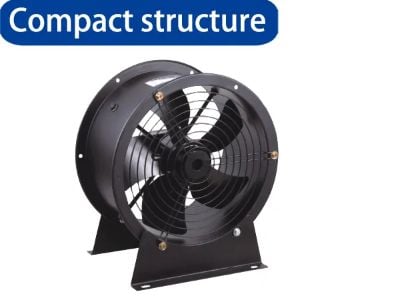
An axial exhaust fan is a crucial component in effectively managing heat within industrial facilities. By utilizing its unique design, it efficiently circulates air, promoting temperature regulation and improving the overall working environment. Understanding how an axial exhaust fan removes heat from industrial facilities is essential for purchasing managers and facility engineers alike, as it directly impacts energy efficiency, operational effectiveness, and equipment longevity. This article will provide insights into the benefits of axial exhaust fan, cost considerations for bulk orders, installation guidance, common heat removal challenges, and how to select the right model for your specific needs.
How an Axial Exhaust Fan Improves Heat Management in Facilities?
Axial exhaust fans work by drawing hot air out of a facility and replacing it with cooler air, thus facilitating better heat management. The design features a rotor that spins, creating a low-pressure area that pulls air through the portable exhaust fan. This process is vital in manufacturing and industrial settings where excessive heat can lead to equipment malfunction or reduced employee productivity.
The efficiency of axial exhaust fans is enhanced by using external rotor motors, which Hangda Electrical specializes in. These motors are compact, energy-efficient, and provide quiet operation, making them suitable for various applications. Furthermore, the 100% copper core motors used in Hangda’s fans ensure durability and optimal performance, which is crucial for continuous operation in demanding environments.
Cost Factors for Bulk Orders of Axial Exhaust Fans Explained
When considering bulk orders of axial exhaust fans, several cost factors come into play. First, the initial purchase price is influenced by the model and specifications required for your application. Costs may vary based on features like motor type, fan size, and material quality. Hangda Electrical’s focus on cost-effective solutions means buyers can expect competitive pricing without compromising quality.
In addition to the purchase price, buyers should consider shipping costs and any potential tariffs when importing fans. The minimum order quantity (MOQ) can also affect overall pricing; larger orders often provide discounts. Additionally, customizations such as specific dimensions or performance specifications may incur extra costs, so it's essential to discuss these requirements with your supplier upfront.
Installation Guidance for Axial Exhaust Fans in Industrial Settings
Proper installation is critical for maximizing the efficiency of axial exhaust fans. Begin by selecting a suitable location that allows for optimal airflow and minimal obstruction. The fan should be mounted securely, and the installation should comply with local regulations and safety standards.
Ensure that the electrical connections are made according to the manufacturer's specifications, particularly for Hangda’s models that feature advanced DC motors. It's advisable to conduct a thorough inspection of the installation site, checking for any potential hazards that could affect the fan's performance.
During installation, consider the airflow direction and any potential noise issues, especially in environments where noise reduction is a priority. Additionally, proper sealing and insulation around the fan installation points can enhance performance while minimizing energy loss.
Common Problems with Heat Removal and Axial Fan Solutions
Despite their effectiveness, axial exhaust fans can encounter certain challenges in heat removal. One common issue is inadequate airflow, which may result from improper fan sizing or obstruction in the airflow path. Selecting the right model is essential; using a exhaust fan louver 18 inch that is too small for the space will not provide sufficient heat removal.
Another issue is fan noise, which can be a concern in environments where employee comfort is a priority. Hangda Electrical’s axial fans are designed for quiet operation, but ensuring the correct installation and proper maintenance can further minimize noise.
Regular maintenance is also crucial for ensuring long-term performance. Dust and debris accumulation can hinder airflow and affect the motor's efficiency. Establishing a routine maintenance schedule, including cleaning and inspections, can prevent these problems and extend the fan's operational life.
Which Model Meets Your Needs?
Choosing the right axial exhaust fan model involves understanding both your facility's specific requirements and the technical specifications of the fans available. Key considerations include the required airflow rate, pressure, and the operational environment.
For instance, if your application involves high temperatures or heavy dust, you may need a fan with more robust materials and a higher performance rating. Hangda Electrical offers various models tailored to different industrial applications, from those with standard operational capabilities to high-performance fans designed for extreme conditions.
Before placing an order, consider preparing a detailed RFQ (Request for Quotation) that outlines your project specifications, including dimensions, power requirements, and any necessary customization. This will help manufacturers provide you with the most accurate quotes and lead times.
In summary, understanding how axial exhaust fans operate, their benefits, cost factors, installation procedures, and common challenges will empower you to make informed decisions for your industrial facility’s heat management needs.