
 EN
EN
 AR
AR
 BG
BG
 HR
HR
 CS
CS
 DA
DA
 NL
NL
 FI
FI
 FR
FR
 DE
DE
 EL
EL
 HI
HI
 IT
IT
 JA
JA
 KO
KO
 NO
NO
 PL
PL
 PT
PT
 RO
RO
 RU
RU
 ES
ES
 SV
SV
 TL
TL
 ID
ID
 SR
SR
 SK
SK
 UK
UK
 VI
VI
 GL
GL
 HU
HU
 TH
TH
 TR
TR
 FA
FA
 AF
AF
 MS
MS
 BE
BE
 BN
BN
 KK
KK
 UZ
UZ
 XH
XH
/images/share.png)
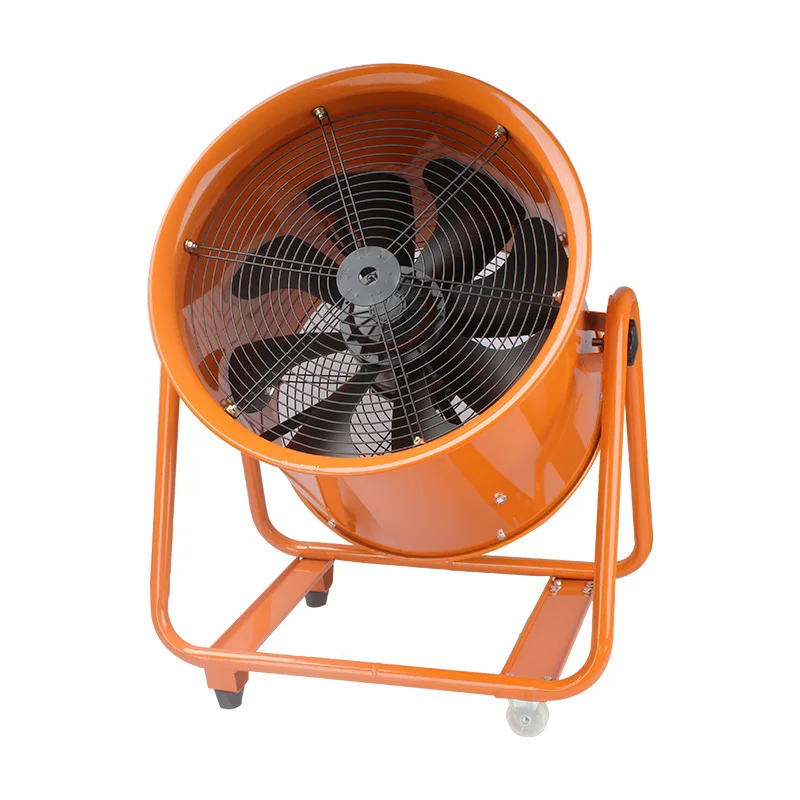
Energy-efficient greenhouse ventilation fan systems are essential for optimizing air circulation and temperature control in agricultural settings. As we approach 2026, understanding the best energy-saving options available is crucial for purchasing managers, engineers, and product managers seeking to enhance their greenhouse operations. This article will address key considerations for selecting the best energy-saving portable ventilation fan with flexible ducting, including specifications, sourcing options, cost factors, and common issues faced in the industry.
Best Practices for Choosing Energy-Saving Greenhouse Ventilation Fans
When selecting energy-saving greenhouse ventilation fans, buyers should prioritize energy efficiency, noise levels, and compatibility with existing systems. Look for fans with high-efficiency motors, such as those equipped with external rotor designs, which provide improved airflow and lower energy consumption. Additionally, selecting models with variable speed capabilities allows for better control over ventilation rates, adapting to changing environmental conditions in real-time.
Buyers should also consider the fan's size and airflow capacity. Proper sizing is critical; an oversized fan can lead to excessive energy use and increased costs, while an undersized fan may not provide adequate ventilation. Engaging with manufacturers who offer consultation services can help ensure that the chosen system meets specific greenhouse requirements.
Key Specifications to Evaluate in Greenhouse Ventilation Fan Systems
Several specifications are critical to evaluate when considering greenhouse ventilation fan systems. Key factors include:
Airflow Capacity: Measured in cubic feet per minute (CFM), this specification determines how much air the fan can move. The required airflow will depend on greenhouse size and plant type.
Efficiency Ratings: Look for fans with high energy efficiency ratings (EER) to ensure that operational costs remain low. Fans that meet or exceed industry standards, such as those set by UL or CE certifications, can be more reliable and energy-efficient.
Noise Levels: A fan that operates quietly is essential, especially in environments where workers need to communicate or where noise-sensitive plants are grown. Noise levels are typically measured in decibels (dB).
Durability: Fans constructed from corrosion-resistant materials and designed for high moisture environments will ensure longevity and reduce maintenance needs.
Motor Type: Choose between AC and EC motors based on your energy efficiency goals. DC motors, for example, can provide superior energy savings due to their ability to adjust speed and reduce power consumption.
Where to Source Reliable Energy-Efficient Greenhouse Ventilation Fans?
Sourcing reliable energy-efficient greenhouse ventilation fans involves identifying reputable manufacturers with a proven track record. Look for suppliers, such as Hangda Electrical, who specialize in external rotor portable kitchen hood vent and DC motors, as they typically offer a range of products designed for energy efficiency and quiet operation.
Consider attending industry trade shows or agricultural expos to connect with manufacturers and review their products firsthand. This can also provide valuable insights into the latest technologies and innovations in the field. Additionally, utilizing online platforms that specialize in agricultural equipment can facilitate comparisons of product specifications, pricing, and reviews from other users.
Cost Factors to Consider for Energy-Saving Ventilation Fans in 2026
Understanding the cost factors associated with energy-saving ventilation fans is crucial for budgeting. Initial purchase price is only one aspect; consider the following:
Operational Costs: Assess the energy consumption of each fan model. High-efficiency models may have a higher upfront cost but can lead to significant savings over time through reduced energy bills.
Maintenance Costs: Regular maintenance is essential for prolonging the lifespan of ventilation fans. Evaluate the ease of accessing parts and the cost of replacements when selecting a model.
Installation Costs: Factor in whether the installation will require additional components, such as ducting or control systems, which can add to overall costs.
Return on Investment (ROI): Calculate the expected ROI based on energy savings and potential increases in crop yield due to improved environmental conditions.
By thoroughly assessing these cost factors, buyers can make more informed decisions that align with their financial goals and operational needs.
Common Problems with Greenhouse Ventilation Fans and Their Solutions
Despite their importance, greenhouse ventilation fans can encounter several common issues that may affect performance:
Insufficient Airflow: If fans do not provide adequate airflow, it can lead to poor plant health. This may be due to improper sizing or installation. Always verify that the specifications align with greenhouse requirements.
Noise Issues: Excessive noise can disrupt operations and affect worker comfort. Selecting fans designed with noise reduction features or those equipped with variable speed controls can help mitigate this problem.
Mechanical Failures: Fans may experience mechanical failures, often due to lack of maintenance or poor quality components. Implementing a regular maintenance schedule and investing in high-quality fans can reduce these risks.
Electrical Problems: Electrical issues, such as motor failures or wiring problems, can lead to system downtime. Ensuring that electrical connections are secure and that fans are installed by qualified professionals can help prevent these issues.
By being aware of these potential problems and their solutions, buyers can better prepare for portable ventilation fan maintenance and ensure optimal performance of their greenhouse ventilation systems.
In summary, selecting the best energy-saving greenhouse ventilation fan systems involves careful consideration of specifications, sourcing strategies, cost factors, and common operational challenges. By focusing on these areas, purchasing managers, engineers, and product managers can enhance their greenhouse efficiency and sustainability in 2026 and beyond.
Table of Contents
- Best Practices for Choosing Energy-Saving Greenhouse Ventilation Fans
- Key Specifications to Evaluate in Greenhouse Ventilation Fan Systems
- Where to Source Reliable Energy-Efficient Greenhouse Ventilation Fans?
- Cost Factors to Consider for Energy-Saving Ventilation Fans in 2026
- Common Problems with Greenhouse Ventilation Fans and Their Solutions