
 EN
EN
 AR
AR
 BG
BG
 HR
HR
 CS
CS
 DA
DA
 NL
NL
 FI
FI
 FR
FR
 DE
DE
 EL
EL
 HI
HI
 IT
IT
 JA
JA
 KO
KO
 NO
NO
 PL
PL
 PT
PT
 RO
RO
 RU
RU
 ES
ES
 SV
SV
 TL
TL
 ID
ID
 SR
SR
 SK
SK
 UK
UK
 VI
VI
 GL
GL
 HU
HU
 TH
TH
 TR
TR
 FA
FA
 AF
AF
 MS
MS
 BE
BE
 BN
BN
 KK
KK
 UZ
UZ
 XH
XH
/images/share.png)
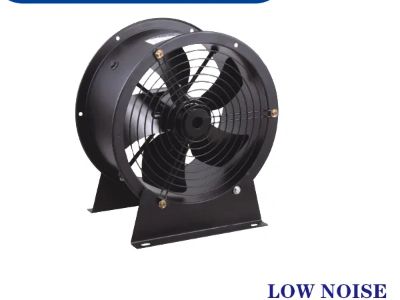
Axial flow fans are essential components in many industrial and commercial applications, designed to move air or gas in a straight line along the axis of the fan. Understanding axial fans involves exploring their various types, specifications, and applications to ensure that purchasing managers and engineers can select the most suitable fan for their specific needs. This article will clarify the different types of axial flow fans, the critical specifications to consider when sourcing them, and best practices for their installation and operation.
Understanding the Types of Axial Flow Fans for Your Needs
Axial flow fans come in several variations, each designed to suit different operational requirements. The primary types include:
Standard Axial Fans: These feature blades that move air efficiently in a straight line. They are commonly used in ventilation systems, cooling, and exhaust applications.
External Rotor Fans: A unique design where the rotor is located outside the stator, allowing for a more compact design. These axial blowers are often used in applications where space is limited, such as in HVAC systems or compact machinery.
Mixed Flow Fans: Combining traits of both axial and centrifugal fans, mixed flow fans can move air at higher pressures and are suited for applications requiring significant airflow in constrained spaces.
High-Performance Axial Fans: Designed for industrial applications, these fans offer increased airflow and pressure capabilities and are often used in demanding environments such as power plants or large manufacturing facilities.
When selecting an axial flow fan, consider the specific airflow and pressure requirements of your application, alongside any spatial constraints that may influence your choice.
How to Choose the Right Axial Flow Fan for Wholesale Purchases?
Choosing the right axial flow fan for wholesale purchases requires a thorough understanding of your needs and the specifications of the available options. Here are key considerations:
Airflow Requirements: Determine the required airflow (measured in CFM - cubic feet per minute) for your application. This will help narrow down the fan types that can meet your demands.
Static Pressure: Assess the static pressure requirements of your system. High static pressure applications may require specialized fans to ensure adequate performance.
Power Consumption: Evaluate the energy efficiency of the fan, particularly if the fan will operate continuously. Look for models with high-efficiency motors, such as those offered by Hangda Electrical, which often utilize 100% copper core motors for improved performance.
Noise Levels: Depending on your application, noise may be a significant concern. Selecting fans designed for quiet operation can help maintain a conducive environment.
Certification and Compliance: Ensure that the fans meet relevant safety and performance certifications, such as UL, CE, and CCC, which indicate adherence to quality and safety standards.
By providing these details when requesting quotes, suppliers can help you find the best fan for your needs.
What to Look For?
When evaluating axial flow fans for purchase, several key specifications should be considered:
Blade Design: The shape and pitch of the blades significantly affect airflow and efficiency. Look for industrial axial fan with optimized blade designs for your specific application.
Motor Type: The type of motor affects performance, energy consumption, and maintenance requirements. Consider the differences between AC, DC, and EC motors, especially in terms of energy efficiency and operational costs.
Material Construction: The materials used in fan construction impact durability and performance. Common materials include plastic, aluminum, and galvanized steel, chosen based on environmental conditions and application requirements.
Operating Conditions: Assess the environmental factors the fan will encounter, such as temperature, humidity, and potential exposure to chemicals. Choose fans that can withstand these conditions without degrading performance.
Customization Options: Depending on your application, you may need custom features such as specific dimensions, mounting configurations, or performance characteristics. Verify the manufacturer's capacity for customization.
By keeping these specifications in mind, you can ensure that the axial flow fan you select will meet your operational demands effectively.
Cost Factors to Consider When Sourcing Axial Flow Fans in Bulk
Cost is a critical factor when sourcing axial flow fans in bulk. Here are the main considerations that can influence pricing:
Volume Discounts: Many manufacturers offer tiered pricing based on order volume. Confirm the minimum order quantity (MOQ) to take advantage of bulk pricing.
Material Costs: The choice of materials can significantly influence the cost. Higher-quality materials may come at a premium but can enhance the fan's lifespan and efficiency.
Motor Type: As mentioned earlier, different motors (AC, DC, or EC) have varying costs associated with them. EC fans, for example, tend to have higher upfront costs but lower operational costs due to their energy efficiency.
Customization Fees: If custom features are required, be aware that this may incur additional costs. Always request a detailed quotation that outlines any customization fees.
Shipping and Handling: Consider the logistics involved in bulk purchases. Shipping costs can vary based on the weight and dimensions of the fans, as well as the delivery location.
Understanding these cost factors can help you negotiate better terms and make informed purchasing decisions.
Best Practices for Axial Flow Fan Setup
Proper installation and setup of axial flow fans are crucial for optimal performance and longevity. Here are some best practices:
Correct Positioning: Ensure that the fan is positioned correctly to facilitate proper airflow. Avoid placing the fan in tight spaces that can restrict airflow or create noise issues.
Secure Mounting: Confirm that the fan is mounted securely to minimize vibration and noise. Use appropriate mounting hardware, and follow the manufacturer's guidelines.
Ducting and Airflow Direction: Pay attention to the ducting and airflow direction. Ensure that the ductwork is appropriately sized and configured to prevent pressure drops that can affect performance.
Regular Maintenance: Establish a routine maintenance schedule to check for wear and tear, clean blades, and inspect motor performance. Regular maintenance can prevent costly downtimes and extend the lifespan of the fan.
Performance Monitoring: If applicable, use sensors to monitor airflow and performance. This data can help identify potential issues before they escalate.
By following these best practices, you can enhance the efficiency and lifespan of your axial flow fans, ensuring they meet your operational requirements effectively.
The insights provided aim to empower purchasing managers and engineers to make informed decisions regarding axial flow fans, ensuring they select the right products for their applications.