
 EN
EN
 AR
AR
 BG
BG
 HR
HR
 CS
CS
 DA
DA
 NL
NL
 FI
FI
 FR
FR
 DE
DE
 EL
EL
 HI
HI
 IT
IT
 JA
JA
 KO
KO
 NO
NO
 PL
PL
 PT
PT
 RO
RO
 RU
RU
 ES
ES
 SV
SV
 TL
TL
 ID
ID
 SR
SR
 SK
SK
 UK
UK
 VI
VI
 GL
GL
 HU
HU
 TH
TH
 TR
TR
 FA
FA
 AF
AF
 MS
MS
 BE
BE
 BN
BN
 KK
KK
 UZ
UZ
 XH
XH
/images/share.png)
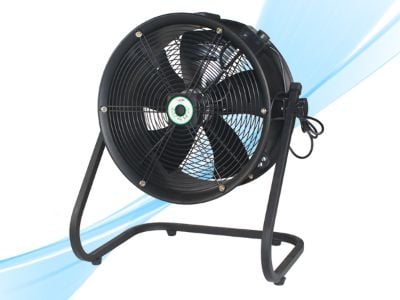
Understanding the key factors in designing extractor fan ventilation for workshops is crucial for ensuring optimal air quality and worker safety. This article will address the main concerns B2B buyers face when selecting extractor fans, including specifications, cost considerations, and common challenges. By the end, you will have a clearer understanding of what to prioritize when designing portable ventilation fan systems tailored to your workshop's needs.
Key Factors to Consider When Choosing Extractor Fan Ventilation
When selecting extractor fan ventilation for workshops, buyers should consider several factors that directly impact performance and efficiency. First, evaluate the airflow capacity, typically measured in cubic meters per hour (m³/h). This metric indicates how much air the fan can move, which is essential for maintaining air quality and removing hazardous fumes or dust. A fan with insufficient airflow capacity may lead to poor ventilation and health risks for workers.
Next, consider the noise level of the fan, particularly in environments where quiet operation is a priority. Fans are often rated in decibels (dB), and opting for models designed for low noise output can enhance workplace comfort.
Finally, assess the motor type. Hangda Electrical, as a manufacturer specializing in external rotor fans and DC motors, provides options that are energy-efficient and feature 100% copper core motors, which contribute to durability and performance. Selecting the right motor type can significantly impact both operation costs and maintenance needs.
How to Evaluate Extractor Fan Specifications for Workshops?
Evaluating the specifications of extractor fans is essential to ensure they meet the specific requirements of a workshop environment. Begin with the fan's diameter, as it affects both airflow and installation considerations. A larger diameter typically allows for higher airflow but may require more space for installation.
Next, analyze the fan speed, measured in rotations per minute (RPM). Higher RPM can lead to increased airflow but may also result in higher noise levels. It's crucial to balance these factors according to the workshop's operational needs.
Material selection is another critical aspect. Fans constructed with durable materials such as high-quality plastics or metal can withstand harsh workshop conditions, including exposure to moisture or chemicals. Additionally, ensure that the fan is certified by relevant standards such as UL, CE, and CCC, which can provide assurance of quality and safety.
Understanding Cost Factors in Extractor Fan Ventilation Design
The cost of extractor fan ventilation is influenced by several factors, including the initial purchase price, installation costs, and ongoing operational expenses. When budgeting, consider the total cost of ownership rather than just the upfront price.
High-quality fans may have a higher initial cost but can lead to significant savings over time due to energy efficiency and lower maintenance needs. For example, Hangda Electrical’s energy-efficient EC fans are designed to reduce energy consumption, which can lower utility bills.
Additionally, factor in the potential costs associated with installation. If the workshop requires custom mounting solutions or ductwork adjustments, this can add to the overall expense. It’s advisable to consult with a supplier for a comprehensive quotation that includes all potential costs associated with the project.
Common Problems with Extractor Fans and Effective Solutions
Despite their effectiveness, extractor fans can encounter several common issues that may hinder performance. One frequent problem is inadequate airflow, which can occur due to clogged filters or obstructions in the ductwork. Regular maintenance, including cleaning and replacing filters, is essential to prevent this issue.
Another common challenge is excessive noise, which can be disruptive in a workshop setting. Choosing fans designed for quiet operation and ensuring proper installation can mitigate this problem. Additionally, incorporating vibration-dampening mounts can further reduce noise levels.
Lastly, ensure that the fan is appropriately sized for the workshop. An undersized fan may struggle to maintain adequate airflow, while an oversized fan can lead to excessive energy consumption and increased noise. Conducting a thorough assessment of the workshop's air circulation needs is vital for optimal fan selection.
Applications of Extractor Fan Ventilation in Various Workshop Environments
Extractor fan ventilation systems are versatile and can be applied across a range of workshop environments, each with unique requirements. In woodworking shops, for instance, these fans are essential for removing sawdust and maintaining air quality. The fine particles generated during cutting can pose health risks if not adequately vented.
In metalworking environments, extractor fans can help manage fumes from welding and machining operations. Proper axial ventilation is crucial to protect workers from harmful substances and improve overall air quality.
For automotive workshops, high-performance extractor fans are necessary to remove exhaust fumes and volatile organic compounds (VOCs) generated during repairs and maintenance. Selecting fans with robust filtration systems can further enhance air quality by capturing harmful particulates.
In each case, understanding the specific application and environmental conditions will guide the selection of the most suitable extractor fan system, ensuring compliance with safety regulations and enhancing worker comfort.
By considering these key factors and insights, you can make informed decisions when designing extractor axial ventilation fan systems tailored for your workshop needs.
Table of Contents
- Key Factors to Consider When Choosing Extractor Fan Ventilation
- How to Evaluate Extractor Fan Specifications for Workshops?
- Understanding Cost Factors in Extractor Fan Ventilation Design
- Common Problems with Extractor Fans and Effective Solutions
- Applications of Extractor Fan Ventilation in Various Workshop Environments