
 EN
EN
 AR
AR
 BG
BG
 HR
HR
 CS
CS
 DA
DA
 NL
NL
 FI
FI
 FR
FR
 DE
DE
 EL
EL
 HI
HI
 IT
IT
 JA
JA
 KO
KO
 NO
NO
 PL
PL
 PT
PT
 RO
RO
 RU
RU
 ES
ES
 SV
SV
 TL
TL
 ID
ID
 SR
SR
 SK
SK
 UK
UK
 VI
VI
 GL
GL
 HU
HU
 TH
TH
 TR
TR
 FA
FA
 AF
AF
 MS
MS
 BE
BE
 BN
BN
 KK
KK
 UZ
UZ
 XH
XH
/images/share.png)
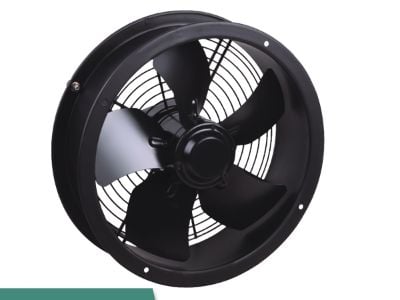
Understanding how to size greenhouse ventilation fans is crucial for maintaining optimal growing conditions in commercial farms. This Greenhouse Ventilation Fan Sizing Guide for Commercial Farms aims to address the main concerns of purchasing managers and farm operators, such as fan efficiency, energy consumption, and overall system performance. By following this guide, you will gain insights into selecting the right portable ventilation fan size, ensuring efficient installation, and understanding the common issues related to greenhouse ventilation.
Choosing the Right Greenhouse Ventilation Fan for Your Farm
Selecting the appropriate greenhouse ventilation fan involves considering various factors that can impact plant growth and energy efficiency. The primary concerns include the size of the greenhouse, the types of crops being grown, and the local climate conditions.
Size of the Greenhouse: The volume of air that needs to be moved is directly related to the greenhouse's size. Larger greenhouses require more powerful fans to ensure adequate air circulation and temperature control.
Crop Types: Different crops have varying humidity and temperature requirements. For instance, delicate plants may require more gentle airflow, while hardier varieties can tolerate stronger drafts. Understanding the specific needs of your crops will guide you in selecting the right fan model.
Climate Conditions: Local weather patterns play a significant role in fan selection. Regions with high humidity may need ventilation axial fan that effectively reduce moisture levels, while arid climates may prioritize fans that provide cooling during hot spells.
When working with a manufacturer like Hangda Electrical, it is beneficial to discuss these factors to determine the most suitable fan model that fits your farm's unique requirements.
How to Calculate the Ideal Size for Your Greenhouse Fan
Calculating the ideal size for your greenhouse ventilation fan involves determining the required airflow, often measured in cubic feet per minute (CFM). The formula for this calculation is:
CFM = (Volume of Greenhouse x Desired Air Change Rate) / 60
Volume of Greenhouse: Measure the length, width, and height of your greenhouse to find its total volume (in cubic feet).
Desired Air Change Rate: This rate varies depending on crop type and local climate. Generally, a rate of 1 to 2 air changes per minute is suitable for most crops.
For example, if your greenhouse measures 1,000 cubic feet and you desire 2 air changes per minute, the calculation would be:
CFM = (1,000 x 2) / 60 = 33.33 CFM
It’s essential to consult with manufacturers to confirm that fan specifications meet your calculated airflow requirements.
Installation Guidance for Efficient Greenhouse Fan Setup
Proper installation is crucial for maximizing the efficiency and lifespan of greenhouse ventilation fans. Here are key points to consider:
Placement: Position fans in locations that optimize airflow throughout the greenhouse. Typically, axial ventilation fan should be installed on opposite sides to create cross-ventilation.
Height: Install fans at an appropriate height to ensure effective air distribution. Generally, placing fans near the peak of the greenhouse can help in drawing out hot air, allowing cooler air to flow in from lower openings.
Electrical Connections: Ensure that electrical connections comply with local regulations and are suitable for outdoor environments. Using UL and CE certified fans, like those offered by Hangda Electrical, ensures reliability and safety.
Maintenance Access: Design the installation layout to allow easy access for maintenance. Regular cleaning and inspection can prevent performance issues and prolong fan life.
By adhering to these installation guidelines, you can enhance the operational efficiency of your greenhouse ventilation system.
Common Problems with Greenhouse Fans and Their Solutions
Despite careful selection and installation, fans can experience issues that affect performance. Here are common problems and potential solutions:
Noise Issues: Excessive noise can indicate a problem with fan alignment or motor issues. Regular maintenance checks can help identify and rectify these problems early.
Poor Airflow: If airflow is insufficient, check for obstructions around the fan and ensure it is the right size for your greenhouse volume. Fans that are underpowered may need to be replaced or supplemented with additional units.
Energy Inefficiency: Fans that consume excessive energy can lead to higher operational costs. Opting for energy-efficient models, such as EC fans, can significantly reduce energy consumption while maintaining performance.
Motor Failures: Regular inspections and maintenance are crucial to prevent motor burnout. Fans with 100% copper core motors, like those from Hangda Electrical, typically offer better durability and performance.
By being aware of these potential issues and implementing proactive measures, you can maintain the effectiveness of your greenhouse ventilation fans.
Understanding the Cost Factors of Greenhouse Ventilation Fans
When budgeting for greenhouse ventilation fans, several cost factors should be considered:
Initial Purchase Price: The cost of the fan itself can vary based on size, type (AC, EC, or DC), and manufacturer. While it may be tempting to choose the cheapest option, consider long-term efficiency and durability.
Energy Costs: Assess the energy efficiency of the fan, as this will impact overall operational costs. Energy-efficient fans may have a higher initial cost but can result in significant savings over time.
Installation Costs: Factor in the costs associated with installation, including labor and any additional equipment needed for setup. Proper installation can prevent future issues and additional costs.
Maintenance Costs: Regular maintenance is necessary to ensure the longevity and efficiency of the fan. Ensure you budget for routine inspections and any potential repairs.
Customization Needs: If your greenhouse has specific requirements, such as custom sizes or features, this may increase costs. Discuss customization options with your manufacturer to understand pricing implications.
By being aware of these cost factors, you can make a more informed decision that aligns with your budget and operational needs.
In summary, understanding the intricacies of greenhouse ventilation fan sizing, selection, installation, and maintenance is vital for ensuring optimal growing conditions in commercial farms. By following the guidelines outlined, you will be better equipped to make informed purchasing decisions that lead to improved crop health and operational efficiency.