
 EN
EN
 AR
AR
 BG
BG
 HR
HR
 CS
CS
 DA
DA
 NL
NL
 FI
FI
 FR
FR
 DE
DE
 EL
EL
 HI
HI
 IT
IT
 JA
JA
 KO
KO
 NO
NO
 PL
PL
 PT
PT
 RO
RO
 RU
RU
 ES
ES
 SV
SV
 TL
TL
 ID
ID
 SR
SR
 SK
SK
 UK
UK
 VI
VI
 GL
GL
 HU
HU
 TH
TH
 TR
TR
 FA
FA
 AF
AF
 MS
MS
 BE
BE
 BN
BN
 KK
KK
 UZ
UZ
 XH
XH
/images/share.png)
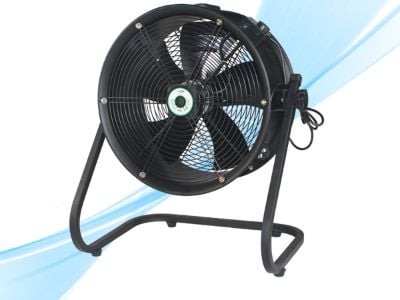
When considering the purchase of an air ventilation fan, understanding the key features to check before buying an air ventilation fan is essential for ensuring optimal performance, energy efficiency, and suitability for your specific application. As a purchasing manager or engineer, you want to ensure that the fan you choose meets your operational needs while also adhering to quality and budget constraints. This article will guide you through the critical aspects to evaluate, helping you make informed decisions when selecting the right air ventilation fan for your environment.
Key Features to Evaluate When Choosing an Air Ventilation Fan
When evaluating air ventilation fans, several critical features should be considered:
Performance Specifications: Look for the airflow rate, typically measured in cubic feet per minute (CFM). This metric indicates how effectively the fan can circulate air, which is crucial for maintaining air quality and temperature control in your facility.
Energy Efficiency: The energy consumption of a fan is vital for long-term operational cost savings. Fans with higher efficiency ratings (such as EC or electronically commutated fans) consume less power while providing the same or greater airflow.
Noise Levels: The operational noise produced by a fan can impact workplace comfort. The portable ventilation fan from reputable manufacturers like Hangda Electrical are designed to operate quietly, which is especially important in environments where minimal noise is crucial.
Durability and Materials: The construction materials affect the fan’s lifespan and performance. Fans made from high-quality materials resist wear and corrosion, ensuring reliable operation. Look for ventilation fan with a 100% copper core motor, as these provide better durability and efficiency.
Size and Mounting Options: Ensure the fan size matches your installation area. Consider the mounting options available, as some fans are suitable for wall or ceiling mounting, while others may be designed for duct installation.
Certifications: Verify that the fan meets industry standards and certifications (such as UL, CE, and CCC). These certifications provide assurance of quality and compliance with safety standards.
How to Compare Air Ventilation Fans for Wholesale Purchasing?
When comparing air ventilation fans, it is essential to take a systematic approach to ensure you make the best choice for your needs:
Request Detailed Specifications: Always request detailed product specifications from potential suppliers. This should include dimensions, airflow rates, power consumption, and noise levels, allowing for a direct comparison of products.
Evaluate Supplier Reputation: Research the manufacturers’ reputation in the market. Look for reviews, case studies, and testimonials from other businesses. Established companies like Hangda Electrical, with over 25 years of export experience, often have proven track records.
Customization Options: Discuss the possibility of custom solutions. Depending on your application, you may require specific modifications, such as unique dimensions or features that are not available in standard products.
Minimum Order Quantities (MOQ): Understand the MOQ of the supplier. This can significantly impact your purchasing strategy, especially if you are unsure about the fan’s performance in your application.
Lead Times: Confirm lead times for delivery. This is crucial for planning and ensuring that your operations are not disrupted. Suppliers with efficient production capabilities can often provide shorter lead times.
Pricing Structures: Compare pricing not only based on unit cost but also consider total ownership costs, including energy consumption and maintenance. A lower initial price may lead to higher long-term costs if the fan is inefficient.
Where to Find Reliable Suppliers for Air Ventilation Fans?
Finding reliable suppliers for air ventilation fans involves several strategies:
Industry Trade Shows: Attending industry trade shows can connect you with manufacturers and suppliers. These events provide an opportunity to see products in action and discuss features directly with representatives.
Online Marketplaces: Platforms like Alibaba or ThomasNet can help you find a range of suppliers. Look for those with verified credentials and positive reviews.
Professional Associations: Joining industry associations often provides access to a network of reputable suppliers. They can offer recommendations based on industry standards and practices.
Word of Mouth: Consult with colleagues in your industry. They can often provide insights based on their experiences with various suppliers and products.
Manufacturer Websites: Research manufacturers directly, such as Hangda Electrical. Their websites typically provide comprehensive product information, certifications, and contact details for inquiries.
Material Advantages of High-Quality Air Ventilation Fans
The materials used in air ventilation fans significantly influence their performance and longevity:
Metal vs. Plastic: Metal fans, particularly those made from aluminum or steel, tend to offer better durability and resistance to environmental factors compared to plastic fans. They are less prone to warping or breaking under stress.
Corrosion Resistance: Fans made from materials with corrosion-resistant coatings are ideal for humid or chemically aggressive environments. This extends their operational lifespan and reduces maintenance costs.
Weight Considerations: The weight of the fan can impact installation and mounting options. Lighter materials may be easier to install but should still provide the necessary strength and durability required for the application.
Motor Construction: Fans with a 100% copper core motor, such as those offered by Hangda Electrical, demonstrate superior efficiency and heat dissipation, contributing to improved performance and energy savings.
Selecting the Right Air Ventilation Fan for Your Needs
Choosing the right air ventilation fan requires a clear understanding of your specific application and operational needs:
Application Environment: Assess where the fan will be used. Industrial applications may require more robust fans capable of handling larger air volumes and harsher conditions compared to residential settings.
Required Airflow and Pressure: Determine the necessary airflow and static pressure needed for your application. This will help identify the appropriate fan type and size to use.
Installation Considerations: Review the installation environment. Factors such as available space, ceiling height, and existing ductwork can influence your selection.
Maintenance Needs: Consider the maintenance requirements of the fan. Opt for designs that facilitate easy cleaning and servicing, as this can impact long-term operational efficiency.
Performance Testing: Before finalizing your purchase, request a sample or performance testing data. This step helps confirm that the fan meets the required specifications under actual operational conditions.
By comprehensively evaluating these factors and understanding the key features to check before buying an air ventilation fan, you can make informed choices that meet your operational requirements and contribute to efficient and effective ventilation solutions in your facility.