
 EN
EN
 AR
AR
 BG
BG
 HR
HR
 CS
CS
 DA
DA
 NL
NL
 FI
FI
 FR
FR
 DE
DE
 EL
EL
 HI
HI
 IT
IT
 JA
JA
 KO
KO
 NO
NO
 PL
PL
 PT
PT
 RO
RO
 RU
RU
 ES
ES
 SV
SV
 TL
TL
 ID
ID
 SR
SR
 SK
SK
 UK
UK
 VI
VI
 GL
GL
 HU
HU
 TH
TH
 TR
TR
 FA
FA
 AF
AF
 MS
MS
 BE
BE
 BN
BN
 KK
KK
 UZ
UZ
 XH
XH
/images/share.png)
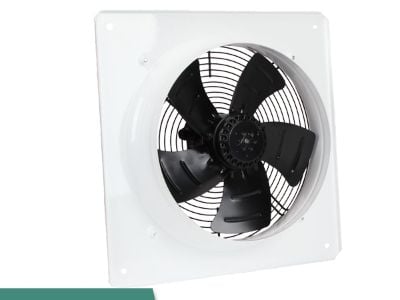
Extractor fan ventilation systems play a crucial role in maintaining air quality and regulating temperature in various industrial settings. These systems are designed to efficiently expel stale or contaminated air, ensuring a safer and more comfortable environment for workers. When considering the top industrial applications for portable extractor fan ventilation systems, purchasing managers and engineers often prioritize energy efficiency, noise levels, and overall performance. This article will explore key applications, selection criteria, common issues, and essential considerations for contractors, helping buyers make informed decisions.
What Are the Key Applications for Extractor Fan Ventilation Systems?
Extractor fan ventilation systems are widely used across numerous industries, primarily where air quality and temperature control are critical. Some of the top applications include:
Manufacturing Facilities: These systems are essential in manufacturing environments to remove dust, fumes, and other airborne contaminants generated during production processes. Proper ventilation helps maintain a safe working atmosphere and adheres to occupational health standards.
Food Processing Plants: In food manufacturing, extractor fans prevent the buildup of heat and moisture, which can compromise product quality and safety. They also help eliminate odors and ensure compliance with hygiene regulations.
Chemical and Pharmaceutical Industries: Extractor fans are crucial for controlling hazardous vapors and maintaining cleanroom standards in pharmaceutical manufacturing. They help protect workers from exposure to toxic substances while ensuring product integrity.
Warehousing and Distribution Centers: In large warehouses, ventilation systems help regulate temperature and humidity, improving overall comfort for staff and protecting stored goods from moisture damage.
Commercial Kitchens: Extractor fans are vital in commercial kitchens to remove smoke, steam, and cooking odors, creating a more pleasant working environment and adhering to safety standards.
By understanding these applications, buyers can better assess how extractor fan systems fit their specific operational needs.
How to Choose the Right Extractor Fan for Your Industrial Needs
Selecting the appropriate extractor fan involves several considerations:
Airflow Requirements: Determine the required airflow (measured in cubic feet per minute, or CFM) based on the size of the space and the specific contaminants involved. Larger areas or high-pollution environments will necessitate higher airflow rates.
Fan Type: Different fan types, such as axial or centrifugal fans, offer varying performance characteristics. Axial fans are typically more suitable for high-volume, low-pressure applications, while centrifugal fans are better for high-pressure systems.
Energy Efficiency: Look for fans with energy-efficient designs, such as EC (electronically commutated) motors. These can significantly reduce operating costs over time.
Noise Levels: Given that noisy fans can disrupt work environments, consider the decibel rating of the fan. Hangda Electrical's centrifugal extractor fan are designed for quiet operation, making them ideal for sensitive environments.
Materials and Build Quality: Ensure the fan is constructed from durable materials that can withstand the specific conditions of your application, such as moisture, heat, or corrosive substances.
Certifications: Verify that the extractor fan meets relevant industry certifications, such as UL, CE, and CCC, which indicate compliance with safety and quality standards.
By addressing these factors, buyers can make informed decisions that align with their operational requirements and budgets.
Common Problems with Extractor Fans and Effective Solutions
While extractor fans are essential for maintaining air quality, they can experience several common issues:
Insufficient Airflow: This can occur if the fan size is inadequate for the space or if the ducting is obstructed. Regular maintenance, such as cleaning filters and ducts, can help restore optimal airflow.
Noise Issues: Excessive noise may be caused by improper installation or fan imbalance. Ensuring proper mounting and periodic checks can mitigate these concerns.
Motor Failure: Motor issues can arise from overheating, incorrect voltage, or lack of lubrication. Opt for fans with high-quality, 100% copper core motors, like those produced by Hangda Electrical, to minimize these risks.
Corrosion: In harsh environments, fans can corrode, leading to decreased performance. Selecting axial extractor fan made from corrosion-resistant materials can extend their lifespan.
Addressing these common problems proactively can help ensure the reliability and efficiency of extractor fan systems.
A Buyer’s Checklist
When preparing to purchase extractor fan ventilation systems, consider the following checklist:
Application Requirements: Define your specific ventilation needs based on the industry and environment.
Technical Specifications: Confirm airflow rates, fan type, and energy efficiency.
Material Specifications: Ensure the fan is made from suitable materials for your application.
Noise Level Requirements: Assess the acceptable decibel range for your facility.
Certifications: Verify compliance with industry standards and regulations.
Customization Options: Determine if custom features are necessary for your application.
Supplier Evaluation: Research potential suppliers, focusing on their experience, reputation, and customer service.
Warranty and Support: Check the warranty terms and available support services for installation and maintenance.
Using this checklist will help streamline the purchasing process and ensure that the selected extractor fans meet all necessary requirements.
Top Considerations for Contractors Using Extractor Fan Systems
For contractors working with extractor fan systems, several key considerations can enhance project outcomes:
Installation Guidelines: Follow manufacturer recommendations for installation to ensure optimal performance. This includes proper alignment, securing mounts, and ensuring appropriate ducting.
Maintenance Plans: Establish a regular maintenance schedule that includes cleaning, inspection, and testing to prolong fan life and maintain efficiency.
Integration with Existing Systems: When installing new fans, consider how they will integrate with existing HVAC systems. Proper coordination can enhance overall performance and energy efficiency.
Budgeting for Upgrades: Evaluate whether existing systems can be upgraded with more efficient fans rather than complete replacements. This can be a cost-effective solution for improving air quality.
Training for Staff: Ensure that staff are trained in operating and maintaining extractor fan systems. This can help prevent misuse and extend equipment life.
By considering these factors, contractors can effectively implement extractor fan systems that meet both performance standards and client expectations.
In summary, understanding the key applications, selection criteria, common problems, and essential considerations for extractor fan ventilation systems equips buyers and contractors with the knowledge necessary to make informed decisions in their purchasing processes.