
 EN
EN
 AR
AR
 BG
BG
 HR
HR
 CS
CS
 DA
DA
 NL
NL
 FI
FI
 FR
FR
 DE
DE
 EL
EL
 HI
HI
 IT
IT
 JA
JA
 KO
KO
 NO
NO
 PL
PL
 PT
PT
 RO
RO
 RU
RU
 ES
ES
 SV
SV
 TL
TL
 ID
ID
 SR
SR
 SK
SK
 UK
UK
 VI
VI
 GL
GL
 HU
HU
 TH
TH
 TR
TR
 FA
FA
 AF
AF
 MS
MS
 BE
BE
 BN
BN
 KK
KK
 UZ
UZ
 XH
XH
/images/share.png)
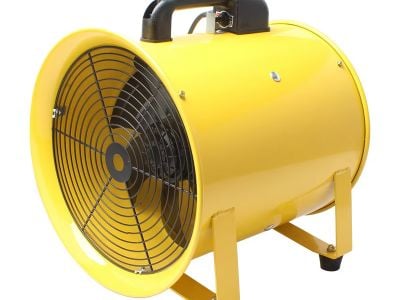
Optimizing extractor fan ventilation for fume extraction is crucial for ensuring a safe and efficient work environment in various industrial applications. As a purchasing manager or engineer, understanding the specific needs for fume extraction systems can significantly impact operational efficiency and safety compliance. This article will guide you through the critical aspects of selecting the right extractor fan, evaluating specifications, identifying reliable suppliers, troubleshooting common issues, and exploring applications in industrial fume management.
How to Choose the Right Extractor Fan for Fume Extraction Needs?
Selecting the appropriate extractor fan for fume extraction requires careful consideration of several factors. First, assess the specific fume types and concentrations present in your environment. Different materials may require specialized fans designed to handle chemical vapors or particulates effectively.
Consider the airflow requirements, commonly measured in cubic feet per minute (CFM) or liters per second (L/s). The required airflow will depend on the size of the workspace and the volume of fumes generated during operations. A fan that provides insufficient airflow may not adequately manage fumes, leading to safety hazards and regulatory non-compliance. Moreover, the fan's installation configuration whether it is wall-mounted, ceiling-mounted, or ducted will affect its effectiveness. For instance, an external rotor fan, like those manufactured by Hangda Electrical, can provide compact and efficient solutions, especially in spaces with limited room. Lastly, energy efficiency is a vital consideration. Efficient fans not only reduce operational costs but also contribute to sustainability efforts. Look for fans that have energy-saving features, such as EC motors, which are known for their high efficiency and low noise levels.
Key Specifications to Evaluate in Extractor Fan Ventilation Systems
When evaluating extractor fan ventilation systems, several key specifications should be carefully considered to ensure optimal performance:
Airflow Rate: As mentioned, the airflow rate should match the requirements of your workspace. Calculate the necessary CFM based on the volume of the area and the type of fumes generated.
Static Pressure: This specification indicates the resistance the fan must overcome to move air through ductwork or filters. Fans designed for higher static pressures are essential if your system involves complex ducting.
Noise Level: Measured in decibels (dB), the noise level can impact workplace comfort. For quieter operations, select fans designed with sound- dampening features.
Motor Type: The choice between AC, DC, or EC motors affects energy consumption and efficiency. EC motors, for instance, offer superior efficiency and can adapt their speed based on demand making them ideal for variable airflow requirements.
Material Construction: The materials used in the axial extractor fan should be compatible with the chemical properties of the fumes being extracted. Stainless steel or chemically resistant plastics are often preferred for corrosive environments.
Certifications: Ensure that the fan complies with relevant safety standards, such as UL, CE, and CCC, to guarantee its reliability and safety in industrial applications.
Reliable Suppliers for Extractor Fan Solutions
Finding a trustworthy supplier for extractor fan solutions can greatly influence your procurement process. Look for manufacturers with a proven track record in the industry, such as Hangda Electrical, which has over 25 years of export experience. A reliable supplier should not only offer high-quality products but also provide comprehensive support, including technical advice and post-sale services. Evaluate suppliers based on their manufacturing capabilities, customization options, and the breadth of their product range. A manufacturer that specializes in a specific type of centrifugal extractor fan, like external rotor fans, can better meet your specialized needs. Additionally, consider suppliers that offer flexible minimum order quantities (MOQs) and prompt lead times, as these factors can greatly impact project timelines. Lastly, reviews and testimonials from existing clients can provide insights into the supplier's reliability and product performance. A solid reputation in the industry often translates to higher confidence in product quality and service.
Common Problems in Fume Extraction and Effective Solutions
Fume extraction systems can encounter various issues, and being aware of these can help you implement effective solutions. Common problems include:
Insufficient Airflow: This can result from clogged filters, incorrect fan sizing, or obstructions in ductwork. Regular maintenance checks and timely filter replacements are essential to ensure optimal airflow.
Excessive Noise: Noise can be a significant concern in workplaces. If noise levels exceed acceptable limits, consider installing sound attenuators or selecting fans with lower dB ratings.
Vibration and Damage: Improper installation or misalignment can lead to vibrations, causing mechanical failures over time. Ensure that fans are installed according to manufacturer specifications and regularly inspect them for signs of wear.
Corrosive Damage: In environments with aggressive fumes, fans can suffer from corrosion. Selecting materials like stainless steel or coated metals can mitigate this risk.
Implementing a routine maintenance schedule can help identify and resolve these issues before they escalate, ensuring continuous operation and compliance with safety standards.
Applications of Extractor Fans in Industrial Fume Management
Extractor fans play a vital role in various applications for industrial fume management. Their primary applications include:
Manufacturing Facilities: In industries like welding, painting, and chemical processing, extractor fans are essential for removing hazardous fumes and ensuring worker safety.
Laboratories: Fume hoods equipped with extractor fans help maintain a safe environment by filtering out harmful vapors and particulates generated during experiments.
Food Processing: In food manufacturing, extractor fans help eliminate odors and maintain air quality, ensuring compliance with health regulations.
Automotive: In automotive repair shops, extractor fans are crucial for removing exhaust fumes and solvents, protecting workers from harmful exposure.
By understanding the specific requirements of these applications, you can better select and optimize extractor fan ventilation systems tailored to your needs. optimizing portable extractor fan ventilation for fume extraction involves understanding the specific needs of your operation, evaluating key specifications, and partnering with reliable suppliers. By addressing common problems and recognizing the diverse applications of extractor fans, you can ensure a safe and effective working environment.