
 EN
EN
 AR
AR
 BG
BG
 HR
HR
 CS
CS
 DA
DA
 NL
NL
 FI
FI
 FR
FR
 DE
DE
 EL
EL
 HI
HI
 IT
IT
 JA
JA
 KO
KO
 NO
NO
 PL
PL
 PT
PT
 RO
RO
 RU
RU
 ES
ES
 SV
SV
 TL
TL
 ID
ID
 SR
SR
 SK
SK
 UK
UK
 VI
VI
 GL
GL
 HU
HU
 TH
TH
 TR
TR
 FA
FA
 AF
AF
 MS
MS
 BE
BE
 BN
BN
 KK
KK
 UZ
UZ
 XH
XH
/images/share.png)
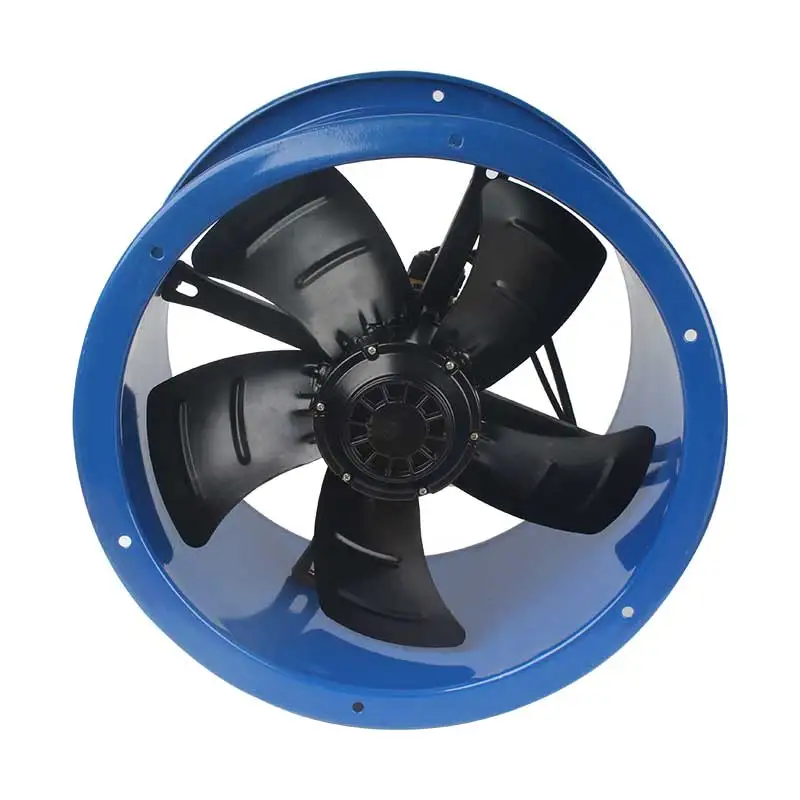
Industrial ventilation fans play a crucial role in maintaining optimal air quality and temperature in manufacturing plants. By improving airflow and reducing heat buildup, these fans can significantly cut cooling costs. Understanding how an industrial ventilation fan cuts cooling costs in plants is essential for purchasing managers and engineers looking to optimize their operations and energy efficiency. This article will explore key specifications, reliable suppliers, what to look for, installation guidance, and the cost benefits of small portable ventilation fan.
Key Specifications to Consider for Industrial Ventilation Fans
When selecting an industrial ventilation fan, several specifications are critical to ensure optimal performance. Key factors include:
Airflow Rate (CFM): The airflow rate, measured in cubic feet per minute (CFM), indicates how much air the fan can move. A higher CFM can effectively cool larger spaces, which is essential in industrial applications.
Static Pressure: This specification measures the resistance to airflow in the duct system. Fans designed for higher static pressure can maintain airflow despite obstructions, which is vital for efficient cooling.
Motor Type: The choice between AC, EC, and DC motors affects energy consumption and operational efficiency. EC motors, for instance, offer higher efficiency and lower energy costs, making them ideal for continuous operation in plants.
Noise Level: Noise can be a concern in manufacturing environments. Selecting fans with quiet operation features can enhance workplace comfort and compliance with regulations.
Material and Construction: The materials used in fan construction can impact durability and suitability for specific environments. Corrosion-resistant materials are crucial in humid or chemical-laden environments.
Energy Efficiency Ratings: Look for fans that meet or exceed energy efficiency standards. Fans with higher efficiency ratings can lead to significant energy cost savings over time.
These specifications should be aligned with the specific demands of your facility to ensure the fan operates effectively and efficiently.
Reliable Suppliers of Cooling Solutions
Choosing a reliable supplier is critical in ensuring you receive high-quality industrial ventilation fans. Look for manufacturers with:
Industry Experience: A supplier with a long history in the industry, like Hangda Electrical, which has over 25 years of experience, often has a proven track record of delivering quality products.
Certifications: Ensure that the supplier's products are certified (eg., UL, CE, CCC). These certifications signify adherence to safety and quality standards.
Customization Capabilities: Depending on your specific needs, you may require customized solutions. Suppliers should be willing to work with you to meet unique specifications.
Strong Customer Support: A reliable supplier should offer robust customer support, from helping you select the right product to providing installation guidance.
Evaluating these factors can help ensure that you partner with a centrifugal ventilation fan supplier who can meet your cooling needs effectively.
What to Look for in Ventilation Fans?
When assessing ventilation fans, several factors should guide your decision-making process:
Performance Metrics: Review performance metrics such as airflow, efficiency, and noise levels. Ensure these metrics align with your operational requirements.
Lifecycle Costs: Consider not just the initial purchase price but also the total cost of ownership, including maintenance, energy consumption, and potential downtime.
Warranty and Support: A solid warranty can provide peace of mind regarding product reliability. Additionally, evaluate the manufacturer's support services for installation, maintenance, and troubleshooting.
Compatibility with Existing Systems: Ensure that the fan is compatible with your current HVAC systems and other equipment to avoid costly modifications.
Customer Testimonials and Case Studies: Look for feedback from other customers in similar industries to gauge satisfaction and performance in real-world applications.
Evaluating these criteria will help you identify the right ventilation fan that meets both your budget and operational needs.
Installation Guidance for Maximizing Fan Efficiency and Savings
Proper installation of industrial ventilation fans is vital for maximizing efficiency and cost savings. Here are some key considerations:
Location: Position the fan to optimize airflow throughout the space. Ideally, it should be placed where it can effectively draw in air and expel hot air, reducing cooling loads.
Ducting Considerations: Ensure that ducting is properly sized and installed to minimize resistance and optimize airflow. Oversized or undersized ducts can significantly impact fan performance.
Vibration Isolation: Use vibration isolators to reduce noise and wear on the fan and surrounding structures. This step can enhance longevity and operational efficiency.
Regular Maintenance: Implement a maintenance schedule to check and clean the fan and ductwork. Regular inspections can help identify potential issues before they lead to costly repairs or inefficiencies.
Testing and Balancing: After installation, conduct airflow testing and balancing to ensure the system operates as designed. Adjustments may be necessary to achieve optimal performance.
By following these guidelines, you can ensure your ventilation fans operate efficiently, ultimately leading to reduced cooling costs.
Understanding the Cost Benefits of Industrial Ventilation Fans
Investing in industrial ventilation fans can lead to significant cost benefits over time. Here’s how:
Reduced Energy Costs: By improving airflow and reducing the load on cooling systems, efficient ventilation fans can lower energy consumption. This reduction can lead to substantial savings on utility bills.
Extended Equipment Life: Proper ventilation can reduce the workload on HVAC systems and other equipment, leading to less wear and tear. This longevity translates to lower replacement costs and reduced downtime.
Improved Workplace Conditions: Enhanced air quality and temperature control can lead to a healthier and more productive workforce. This improvement can reduce absenteeism and increase overall operational efficiency.
Compliance with Regulations: Adhering to ventilation standards can help avoid fines and penalties associated with non-compliance, making it a financially sound investment.
Return on Investment (ROI): While the initial investment may seem significant, the long-term savings on energy, maintenance, and productivity often result in a favorable ROI.
In summary, understanding the operational and financial implications of industrial ventilation axial fan can help you make informed decisions that benefit both your facility and your bottom line.