
 EN
EN
 AR
AR
 BG
BG
 HR
HR
 CS
CS
 DA
DA
 NL
NL
 FI
FI
 FR
FR
 DE
DE
 EL
EL
 HI
HI
 IT
IT
 JA
JA
 KO
KO
 NO
NO
 PL
PL
 PT
PT
 RO
RO
 RU
RU
 ES
ES
 SV
SV
 TL
TL
 ID
ID
 SR
SR
 SK
SK
 UK
UK
 VI
VI
 GL
GL
 HU
HU
 TH
TH
 TR
TR
 FA
FA
 AF
AF
 MS
MS
 BE
BE
 BN
BN
 KK
KK
 UZ
UZ
 XH
XH
/images/share.png)
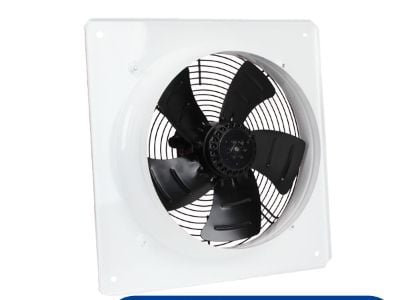
Proper ventilation is crucial in commercial spaces to maintain a healthy environment and prevent mold growth. This article explores how extractor fan ventilation can effectively prevent mold in these settings. With concerns about air quality, employee health, and property preservation at the forefront, understanding the role of portable extractor fan becomes essential for facility managers and purchasing decision-makers. This article will provide insights into how extractor fans work, installation guidelines, quality evaluations, cost factors, and solutions to common mold problems in commercial spaces.
How Extractor Fans Help Prevent Mold in Commercial Spaces
Extractor fans are designed to remove stale air, humidity, and airborne pollutants from enclosed spaces. By maintaining optimal air circulation, they significantly reduce the risk of mold growth, which thrives in damp and poorly ventilated environments. The primary function of these fans is to expel moist air generated from activities such as cooking, washing, and even breathing, while simultaneously drawing in fresh air from outside.
When selecting extractor fans for mold prevention, it’s important to consider factors such as airflow rate, fan placement, and the specific humidity levels of the environment. For instance, areas like kitchens and bathrooms require more robust ventilation solutions due to higher moisture levels. Hangda Electrical’s external rotor fans, known for their energy efficiency and quiet operation, are particularly effective in providing the necessary airflow to combat mold growth while contributing to overall energy savings.
Installation Guidelines for Extractor Fans to Combat Mold Growth
Proper installation of extractor fans is essential to ensure their effectiveness in preventing mold. Buyers should consider the following guidelines when installing these fans in commercial settings:
Location: Position extractor fans near sources of moisture, such as kitchens, bathrooms, or laundry areas. This maximizes their ability to expel humid air efficiently.
Ducting: Use appropriate ducting materials that are resistant to moisture. Ensure that ducts are insulated to prevent condensation, which can lead to mold growth within the ducts themselves.
Airflow Direction: Fans should be installed to create a one-way airflow, effectively removing stale air without allowing it to return to the space.
Capacity: Choose fans with adequate capacity for the size of the room. The fan should be capable of exchanging the air several times per hour, depending on the specific requirements of the space.
Regular Maintenance: Implement a maintenance schedule to clean fan blades and filters. Accumulation of dust and debris can impede airflow and reduce efficiency.
By adhering to these guidelines, facility managers can ensure that extractor fans are utilized effectively, significantly lowering the chances of mold development in commercial environments.
Evaluating the Quality of Extractor Fans for Mold Prevention
When assessing the quality of extractor fans, several factors come into play. Buyers should focus on the following aspects to ensure they select a reliable product:
Motor Quality: Look for fans equipped with high-quality motors, such as those with a 100% copper core, which offer better durability and performance.
Certification: Ensure that the fans meet relevant industry standards and certifications, such as UL, CE, and CCC, indicating that they have passed safety and performance tests.
Noise Levels: Opt for fans designed for quiet operation. Noisy fans can be disruptive, especially in commercial spaces where a conducive work environment is crucial.
Energy Efficiency: Evaluate the energy consumption of the fan. Energy-efficient models can lead to significant cost savings over time, making them a more sustainable choice.
Warranty and Support: A robust warranty and responsive customer support indicate a manufacturer’s confidence in their product. This can be particularly important for maintenance and potential repairs.
By prioritizing these quality indicators, buyers can confidently select extractor fans that will provide effective mold prevention in their commercial spaces.
Cost Factors When Selecting Commercial Ventilation Solutions
The cost of extractor fans and ventilation solutions can vary significantly based on several factors:
Fan Type: Different types of fans, such as axial or centrifugal, come with varying price points. Axial fans are typically more affordable, while centrifugal fans may offer higher performance at a higher cost.
Specifications: The specifications, such as airflow capacity (measured in CFM), energy efficiency ratings, and motor quality, directly impact pricing. Higher specifications often come with increased costs.
Installation Requirements: Consider the complexity of installation, which can add to overall costs. Factors such as ductwork, electrical connections, and labor should be included in the budget.
Customization Needs: If custom solutions are required—such as specialized ducting or alterations to existing systems—these can lead to additional expenses.
Long-Term Savings: While initial costs are important, buyers should also consider the long-term savings associated with energy-efficient models and reduced maintenance needs.
When evaluating options, facility managers should weigh these cost factors against their specific needs to find the most suitable and cost-effective ventilation solutions.
Common Problems with Mold in Commercial Spaces and Their Solutions
Mold growth in commercial spaces can lead to significant health issues and property damage if not addressed promptly. Here are some common problems associated with mold and their solutions:
High Humidity Levels: Humidity above 60% can create an ideal environment for mold. Installing efficient centrifugal extractor fan helps regulate moisture levels, reducing the likelihood of mold growth.
Poor Air Circulation: Stagnant air can contribute to mold proliferation. Utilizing extractor fans to maintain airflow throughout the premises can prevent this issue.
Inadequate Maintenance: Neglecting regular cleaning of HVAC systems and extractor fans can lead to dust and moisture buildup, encouraging mold growth. Establishing a routine maintenance schedule is essential.
Water Leaks: Any leaks from plumbing, roofs, or windows can increase moisture in the air. Regular inspections and prompt repairs are vital to prevent mold-related issues.
Insufficient Ventilation: Areas like kitchens and bathrooms often require dedicated ventilation solutions. Installing high-quality axial extractor fan in these zones can effectively combat moisture and mold growth.
By understanding these common problems and implementing appropriate solutions, facility managers can significantly reduce mold risks and maintain a healthier environment in commercial spaces.
In summary, effective extractor fan ventilation plays a critical role in preventing mold growth in commercial environments. By understanding the importance of proper installation, evaluating quality, considering cost factors, and addressing common mold issues, purchasing managers and facility operators can make informed decisions that protect their investments and ensure a safe working environment.
Table of Contents
- How Extractor Fans Help Prevent Mold in Commercial Spaces
- Installation Guidelines for Extractor Fans to Combat Mold Growth
- Evaluating the Quality of Extractor Fans for Mold Prevention
- Cost Factors When Selecting Commercial Ventilation Solutions
- Common Problems with Mold in Commercial Spaces and Their Solutions