
 EN
 AR
 BG
 HR
 CS
 DA
 NL
 FI
 FR
 DE
 EL
 HI
 IT
 JA
 KO
 NO
 PL
 PT
 RO
 RU
 ES
 SV
 TL
 ID
 SR
 SK
 UK
 VI
 GL
 HU
 TH
 TR
 FA
 AF
 MS
 BE
 BN
 KK
 UZ
 XH

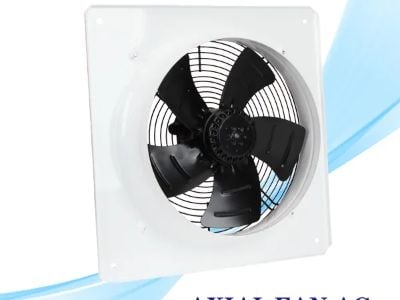
Proper warehouse ventilation is essential for maintaining a safe and productive environment. One key component in achieving this is the axial exhaust fan, which plays a crucial role in effectively removing stale air and replacing it with fresh air. This article will delve into axial exhaust fan sizing for proper warehouse ventilation, addressing the primary concerns of B2B buyers, including efficiency, performance, and supplier selection. By understanding the factors involved in selecting and sizing these fans, purchasing managers and engineers can make informed decisions that enhance operational efficiency and reduce costs
Choosing the Right Axial Exhaust Fan for Efficient Warehouse Ventilation
Selecting the right axial best portable kitchen exhaust fan involves understanding the specific needs of your warehouse environment. Factors to consider include the size of the space, the type of materials stored, and the operational activities taking place. For instance, warehouses with high levels of dust or chemical exposure may require fans with enhanced durability and resistance to corrosive elements
When assessing potential fans, consider their airflow capacity, measured in cubic feet per minute (CFM). This specification is critical as it indicates the volume of air the fan can move. The required CFM can be calculated based on the warehouse dimensions and desired air changes per hour (ACH). Additionally, consider the fan’s noise level, especially in environments where quiet operation is essential. Look for models that offer energy efficiency to reduce long-term operational costs. Hangda Electrical’s axial exhaust fans, for example, are known for their compact design and energy-efficient operation, making them suitable for various industrial applications
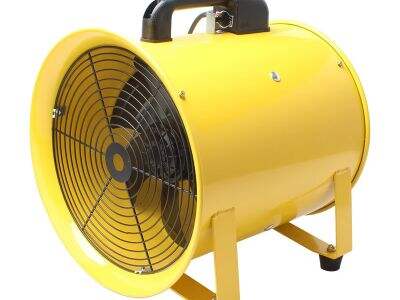
Reliable Suppliers for Axial Exhaust Fans
Choosing a reputable supplier is crucial for ensuring the quality and reliability of the axial exhaust fans you purchase. Look for manufacturers with extensive experience in the industry, such as Hangda Electrical, which has over 25 years of export experience. A reliable supplier will have a proven track record in producing high-quality products that meet international certifications such as UL, CE, and CCC
Additionally, evaluate suppliers based on their customer service and support capabilities. A responsive supplier can help address any technical questions or issues that arise during installation or operation. Consider requesting references or case studies from existing customers to gauge their satisfaction with the supplier’s products and services
What to Look for in Performance
When assessing the performance of axial centrifugal roof exhaust fans, several key specifications should be evaluated
Airflow Rate (CFM): This is the volume of air the fan can move. Ensure it meets the required CFM for your warehouse size and application
Static Pressure: This indicates the resistance the fan can overcome to maintain airflow. It is vital for applications where ducts or filters may impede airflow
Efficiency Ratings: Look for fans with high efficiency ratings to minimize energy consumption and reduce operational costs
Durability: The material quality and construction of the fan will affect its lifespan and reliability. Opt for fans made from robust materials, particularly if they will be used in harsh environments
Noise Level: Depending on your warehouse operations, consider the sound output of the fan. Lower noise levels can contribute to a more pleasant working environment
A thorough understanding of these performance metrics will help you select an axial exhaust fan that meets your operational requirements while optimizing energy efficiency
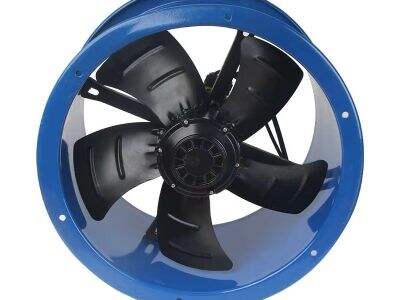
Common Problems with Warehouse Ventilation and Their Solutions
Warehouse ventilation can present several challenges, including inadequate airflow, temperature imbalances, and excess humidity. Each of these issues can negatively impact product quality and employee comfort
Inadequate Airflow: This can lead to stale air and poor working conditions. To address this, ensure that the axial exhaust fan is correctly sized for the space and positioned to maximize airflow distribution
Temperature Imbalances: Variations in temperature can affect both products and personnel. Installing fans with variable speed controls can help regulate temperatures more effectively throughout the warehouse
Excess Humidity: High humidity levels can lead to mold growth and product spoilage. Implementing a combination of exhaust fans and intake systems can help manage humidity by ensuring a constant flow of fresh air
By proactively addressing these common ventilation problems, you can maintain a more efficient and safe warehouse environment
Sizing Axial Exhaust Fans for Your Warehouse
Correctly sizing axial inline centrifugal exhaust fans is critical for ensuring effective ventilation. The process begins with calculating the total volume of your warehouse, typically measured in cubic feet. This is done by multiplying the length, width, and height of the space
Next, determine the desired number of air changes per hour (ACH) based on the warehouse's use. For example, a general guideline is to achieve 6 to 10 ACH for standard warehouses. Multiply the warehouse volume by the desired ACH and then divide by 60 minutes to find the required CFM
Once you have the required CFM, consult with fan manufacturers like Hangda Electrical to identify models that meet these specifications. It’s advisable to account for factors such as ductwork, filters, and other obstructions that may affect airflow when selecting the fan size
Proper warehouse ventilation through correctly sized axial exhaust fans can significantly enhance working conditions and operational efficiency. By understanding the selection process, supplier reliability, performance metrics, common ventilation challenges, and sizing calculations, B2B buyers can make informed decisions that align with their business needs