
 EN
 AR
 BG
 HR
 CS
 DA
 NL
 FI
 FR
 DE
 EL
 HI
 IT
 JA
 KO
 NO
 PL
 PT
 RO
 RU
 ES
 SV
 TL
 ID
 SR
 SK
 UK
 VI
 GL
 HU
 TH
 TR
 FA
 AF
 MS
 BE
 BN
 KK
 UZ
 XH

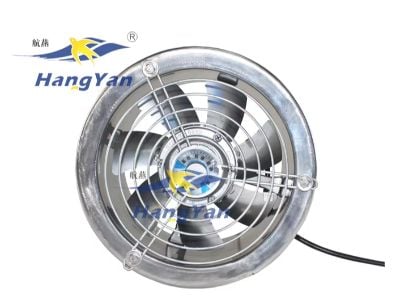
Mounting an axial exhaust fan correctly is crucial for ensuring maximum efficiency in various applications, from industrial settings to commercial buildings. Understanding how to mount an axial exhaust fan for maximum efficiency involves considering factors such as fan selection, proper installation techniques, and addressing common installation challenges. This article will guide purchasing managers, engineers, and product managers through the crucial steps to optimize the performance of axial exhaust fans.
How to Choose the Right Axial Exhaust Fan for Your Project?
Selecting the appropriate axial exhaust fan is the first step towards achieving optimal efficiency in your project. Key considerations include airflow requirements, size, and noise levels.
Airflow Requirements: Determine the necessary airflow (measured in cubic feet per minute, or CFM) based on the application. For instance, a manufacturing facility may require a higher CFM than a small office. Use calculations based on room size, occupancy, and equipment heat generation to establish your needs.
Size and Dimensions: Axial fans come in various sizes. Ensure you select a fan that fits the designated installation space while providing sufficient airflow. A fan that is too large may overpower the environment, while one that is too small may fail to ventilate adequately.
Noise Levels: In environments where noise is a concern (e. g., commercial spaces), consider fans designed for quiet operation, such as those with EC motors. Hangda Electrical’s axial fans, for example, are known for their noise-reducing features, which can be critical in maintaining a conducive working atmosphere.
Material and Build Quality: Choose fans constructed from durable materials that can withstand the specific environmental conditions, such as humidity or chemical exposure. The use of 100% copper core motors in Hangda fans contributes to their reliability and longevity.
By carefully considering these factors, you can make an informed decision that aligns with your project's requirements.
Installation Guidance for Maximum Efficiency of Exhaust Fans
Proper installation is vital for maximizing the efficiency of axial exhaust fans. Here are essential steps to follow:
Orientation and Positioning: Install the fan to facilitate optimal airflow. For exhaust applications, position the fan at the highest point of the ceiling, allowing hot air to rise and be expelled effectively.
Ducting and Ventilation: Utilize appropriate ducting to connect the fan to the external environment. Ensure that the ductwork is as straight as possible to minimize resistance. Consider using insulated ducts if necessary to prevent condensation and maintain efficiency.
Electrical Connections: Make sure that electrical connections are secure and compliant with local codes. Utilize a qualified electrician for installation to ensure safety and reliability.
Testing and Balancing: Once installed, test the fan’s performance. Check for vibrations or unusual noise levels, which could indicate misalignment or installation issues. Balancing the system can help maintain efficiency and extend the life of the fan.
Regular Maintenance: Establish a maintenance schedule. Regular checks on the fan’s operation, cleaning of blades, and ensuring that ductwork remains unobstructed can significantly enhance performance over time.
Following these guidelines will help ensure that your co axial exhaust fan operates at maximum efficiency, contributing to energy savings and improved air quality.
Common Installation Problems and Solutions for Axial Fans
While installing axial exhaust fans, several common problems may arise. Here are some issues and their solutions:
Vibration and Noise: Excessive vibration can lead to noise and damage. Ensure that the fan is mounted securely, and check that it is correctly aligned. Use rubber mounts or pads to dampen vibrations if necessary.
Insufficient Airflow: If the fan does not provide the expected airflow, check for blockages in the ducts and verify that the fan size meets the project’s requirements. It may also be necessary to adjust the fan speed or replace the fan with a higher capacity model.
Electrical Issues: If the fan fails to operate, inspect the industrial axial exhaust fan connections. Ensure that the power supply meets the fan’s voltage requirements and that all connections are secure.
Condensation Problems: In humid environments, condensation can build up in the ductwork. Insulate ducts to prevent moisture accumulation and consider using a fan designed to handle high humidity.
By proactively addressing these common installation issues, you can enhance the longevity and efficiency of your axial exhaust fan.
Cost Factors to Consider When Purchasing Exhaust Fans Wholesale
When considering the purchase of axial exhaust fans wholesale, several cost factors should be evaluated to ensure a cost-effective decision:
Initial Purchase Price: Compare prices among suppliers, but be cautious about selecting the lowest bid. Evaluate the quality and specifications of the fans being offered. For instance, Hangda Electrical's fans are known for their durability and energy efficiency, which can lead to long-term savings.
Shipping and Handling Costs: Factor in shipping costs when assessing total expenses. Bulk orders may qualify for discounts, so inquire about prices based on order quantities.
Installation Costs: Consider whether your team has the expertise to install the fans or if you will need to hire professionals. Professional installation may incur additional costs but can ensure optimal performance.
Operational Costs: Evaluate the energy efficiency of the fans. Fans with higher efficiency ratings may have a higher upfront cost but can lead to significant savings on power bills over time.
Warranty and Support: Investigate the warranty offered by the manufacturer. A robust warranty can save costs in the long run should any issues arise post-installation.
By taking these factors into account, you can better assess the overall cost of ownership and make a more informed purchasing decision.
Applications of Axial Exhaust Fans in Various Industries
Axial exhaust fans are versatile and find applications across multiple industries due to their efficiency and adaptability. Some key applications include:
Manufacturing: In factories, axial fans control heat and remove harmful fumes, ensuring a safe working environment. Their compact size allows for installation in tight spaces without sacrificing airflow.
Commercial Buildings: In office buildings and shopping centers, axial fans help maintain air quality by expelling stale air and introducing fresh air, crucial for comfort and health.
Agriculture: In agricultural settings, these fans regulate temperature and humidity in greenhouses and livestock facilities, promoting optimal growth conditions and animal welfare.
HVAC Systems: Axial fans are often integrated into HVAC systems to support air circulation and temperature control, enhancing system efficiency.
Automotive: In automotive manufacturing, axial fans are used to ventilate paint booths and other production areas, helping to maintain air quality and safety standards.
Understanding the specific applications of axial exhaust fan can help buyers select the appropriate models for their needs, ensuring effective performance and compliance with industry standards.