
 EN
EN
 AR
AR
 BG
BG
 HR
HR
 CS
CS
 DA
DA
 NL
NL
 FI
FI
 FR
FR
 DE
DE
 EL
EL
 HI
HI
 IT
IT
 JA
JA
 KO
KO
 NO
NO
 PL
PL
 PT
PT
 RO
RO
 RU
RU
 ES
ES
 SV
SV
 TL
TL
 ID
ID
 SR
SR
 SK
SK
 UK
UK
 VI
VI
 GL
GL
 HU
HU
 TH
TH
 TR
TR
 FA
FA
 AF
AF
 MS
MS
 BE
BE
 BN
BN
 KK
KK
 UZ
UZ
 XH
XH
/images/share.png)
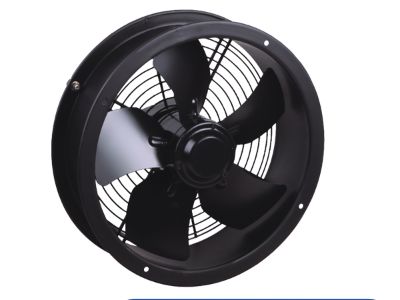
Greenhouse ventilation fans are essential tools that enhance crop yield and growth by maintaining optimal temperature and humidity levels within a greenhouse. By understanding how a greenhouse ventilation fan boosts crop yield and growth, buyers can make informed decisions that address their specific agricultural needs. This article will help purchasing managers, distributors, and agricultural engineers evaluate the specifications, energy efficiency, installation guidelines, common problems, and buyer tips associated with these crucial systems.
Key Specifications of High-Quality Greenhouse Ventilation Fans
When selecting a greenhouse ventilation fan, several key specifications must be considered to ensure optimal performance. These include airflow capacity, noise level, energy efficiency, and motor type.
Airflow Capacity: Measured in cubic feet per minute (CFM), this specification indicates how much air the fan can move. A higher CFM is necessary for larger greenhouses or those with dense crops to prevent overheating and improve air circulation.
Noise Level: Fans designed for greenhouse environments should ideally operate quietly to avoid disturbing plants and workers. Look for portable ventilation fan with noise ratings below 60 decibels.
Energy Efficiency: Energy-efficient fans help reduce operational costs. Look for fans that utilize EC (electronically commutated) motors or DC motors, which are known for their low energy consumption and long lifespan. Hangda Electrical, for instance, specializes in energy-efficient fans that can significantly lower energy costs.
Motor Type: Selecting a fan with a robust motor is crucial. Fans with 100% copper core motors, like those manufactured by Hangda, are known for their durability and efficiency.
Each of these specifications plays a critical role in the fan's performance and suitability for specific greenhouse applications. Buyers should confirm that the chosen fan meets their operational requirements and budget constraints.
How to Evaluate the Energy Efficiency of Ventilation Fans
Energy efficiency is a primary concern for buyers looking to optimize operations and reduce costs. To evaluate the energy efficiency of greenhouse louvered ventilation fans, consider the following factors:
Motor Type and Technology: Fans with EC or DC motors are more efficient compared to traditional AC motors. They adjust their speed based on the environment, consuming less electricity during low-demand periods.
Airflow Performance: The fan's ability to move air effectively at low energy consumption is crucial. Look for fans that provide high CFM ratings without excessive energy use, as this indicates a well-designed, efficient system.
Energy Star Certification: Check for any energy certifications that indicate compliance with efficiency standards. Although not all efficient fans will have this certification, those that do are likely to be high-performing.
Operational Hours: Consider how many hours the fan will run daily. Fans that are efficient during extended use can lead to significant savings in energy bills.
By assessing these factors, buyers can select fans that not only meet their ventilation needs but also contribute to overall energy savings.
Installation Guidelines for Efficient Greenhouse Ventilation Systems
Successful installation of greenhouse ventilation fans is crucial for maximizing their efficiency and effectiveness. Here are guidelines to ensure proper installation:
Optimal Placement: Position fans at strategic locations to promote maximum airflow. Typically, fans should be mounted high on the walls or at the roofline to create a consistent airflow pattern throughout the greenhouse.
Ductwork Considerations: If using ducted systems, ensure that ductwork is appropriately sized to minimize airflow resistance. Smaller ducts can restrict airflow and reduce fan efficiency.
Electrical Connections: Ensure that electrical connections comply with local regulations and are performed by a qualified technician to prevent overheating and ensure safe operation.
Mounting: Secure the fan to minimize vibration and noise. Vibration dampers may be used to enhance performance, especially in larger installations.
Testing: After installation, conduct airflow testing to ensure the fans are operating as expected. Adjustments may be necessary to optimize performance.
Proper installation will lead to improved crop yield and growth by ensuring that the ventilation system operates at peak efficiency.
Common Greenhouse Ventilation Problems and Effective Solutions
Buyers should be aware of common issues that can arise with greenhouse ventilation systems and how to address them:
Inadequate Airflow: If crops are wilting or showing signs of heat stress, it may indicate insufficient airflow. Solutions include optimizing fan placement, increasing the number of fans, or upgrading to higher-capacity models.
Fan Noise: Excessive noise can disrupt operations. Ensure that fans are installed correctly and consider models designed for quiet operation, such as those with sound-insulating features.
Energy Costs: High energy consumption can diminish the benefits of ventilation fans. Evaluate the motor type, and consider upgrading to more energy-efficient models to reduce electricity bills.
Mechanical Failures: Regular maintenance is essential to prevent breakdowns. Schedule routine inspections and cleanings to minimize dust buildup and ensure smooth operation.
Humidity Issues: If humidity levels remain too high, it can lead to mold and diseases. Ensure that ventilation axial fan are sized correctly for the greenhouse volume and consider integrating exhaust fans to control humidity levels effectively.
By proactively addressing these issues, buyers can ensure their greenhouse ventilation systems operate effectively, leading to healthier crops and increased yield.
Tips for Buyers
When purchasing greenhouse ventilation fans, consider these practical tips to ensure you make an informed decision:
Define Requirements: Clearly outline your greenhouse specifications, including size, crop type, and climate conditions. This information will help suppliers recommend suitable fan options.
Request Samples: Before making a bulk purchase, request a sample fan to assess its performance and suitability for your specific application.
Review Quality Standards: Ensure that the fans meet relevant certifications such as UL, CE, and CCC, which can indicate quality and safety compliance.
Compare Suppliers: Evaluate multiple suppliers based on their experience, product range, and customer service. A supplier with a good reputation for quality and support can make a significant difference in your buying experience.
Discuss Customization Options: If your greenhouse has unique ventilation needs, inquire about customization options. Manufacturers like Hangda Electrical often offer tailored solutions to meet specific requirements.
By following these tips, buyers can confidently select ventilation fans that align with their operational needs and contribute to enhanced crop growth and yield.