
 EN
 AR
 BG
 HR
 CS
 DA
 NL
 FI
 FR
 DE
 EL
 HI
 IT
 JA
 KO
 NO
 PL
 PT
 RO
 RU
 ES
 SV
 TL
 ID
 SR
 SK
 UK
 VI
 GL
 HU
 TH
 TR
 FA
 AF
 MS
 BE
 BN
 KK
 UZ
 XH

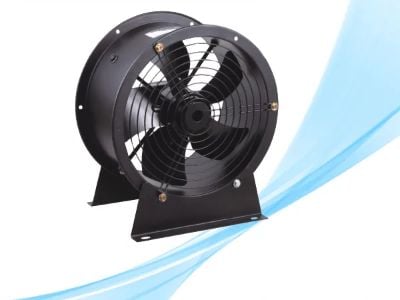
Axial flow fans are essential components in industrial HVAC systems, designed to deliver high airflow efficiently and quietly. Understanding how axial fans operate and their specifications is crucial for purchasing managers, engineers, and product managers who need reliable ventilation solutions. This article will explore how axial flow fans enhance airflow in industrial HVAC systems, key specifications to consider during selection, reliable sourcing options, quality evaluation methods, and common challenges along with practical solutions.
How Axial Flow Fans Improve Airflow in Industrial HVAC Systems?
Axial flow fans are engineered to move air in a straight line, making them particularly effective for high-volume air movement in industrial HVAC applications. Their design features blades that rotate around an axis, drawing air into the fan and pushing it out in a direct path. This mechanism allows them to efficiently manage large volumes of air while maintaining low energy consumption.
In industrial settings, these fans are often used for cooling, ventilation, and exhaust applications. Their compact size and ability to deliver high airflow rates make them suitable for installations where space is limited. Additionally, axial flow fans can be configured to operate in various orientations, providing flexibility in system design.
Key Specifications to Consider When Selecting Axial Flow Fans
When selecting axial flow fans for industrial HVAC systems, several key specifications should be carefully evaluated:
Airflow Rate: Measured in cubic feet per minute (CFM), this indicates the volume of air the fan can move. It's essential to assess the airflow requirements of your specific application to ensure adequate ventilation.
Static Pressure: This specification measures the resistance to airflow within the system. Understanding the static pressure requirements helps ensure the selected fan can overcome any restrictions caused by ductwork or other components.
Motor Type: Axial flow fans typically feature AC or EC motors. AC motors are standard, while EC motors offer higher energy efficiency and better speed control, which can reduce operational costs.
Noise Levels: The sound output of a fan, measured in decibels (dB), is crucial in environments where noise can be a concern. Selecting a fan with a low noise profile can enhance workplace comfort.
Material and Construction: The materials used in the fan's construction should be suitable for the operating environment, including resistance to corrosion, temperature, and pressure.
Dimensions and Mounting Options: Consider the physical size of the fan and its mounting configuration to ensure compatibility with existing systems or equipment.
Understanding these specifications allows buyers to select axial flow fans that meet their specific needs while optimizing performance and efficiency.
Where to Source Reliable Axial Flow Fans for Bulk Orders?
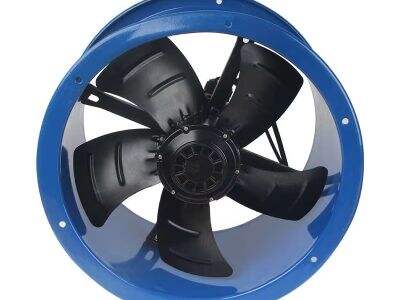
Sourcing axial flow fans for bulk orders requires careful consideration to ensure quality and reliability. Hangda Electrical, a professional manufacturer with over 25 years of export experience, offers a robust selection of axial flow fans, including options with 100% copper core motors that enhance durability and efficiency.
When sourcing, consider the following steps:
Identify Reputable Manufacturers: Look for manufacturers with a proven track record in the industry. Certifications such as UL, CE, and CCC can indicate adherence to quality standards.
Request Samples: Before placing large orders, request samples to evaluate the fan's performance, noise levels, and build quality. Testing samples in real-world conditions can prevent costly mistakes.
Evaluate Customization Capabilities: Many manufacturers, including Hangda Electrical, offer customization options. Discuss specific requirements, such as size or performance specifications, to ensure the fans meet your unique needs.
Assess Lead Times and Minimum Order Quantities (MOQ): Understanding production timelines and MOQs will help you plan your inventory and avoid production delays.
Check References and Reviews: Gathering feedback from other customers can provide insights into the manufacturer's reliability and product performance.
By following these steps, purchasing managers can secure reliable axial flow fans that align with their operational needs.
How to Evaluate the Quality of Axial Flow Fans for Projects?
Evaluating the quality of axial flow fans is essential before finalizing any purchase. Here are key considerations to ensure the fans meet project specifications:
Material Quality: Inspect the materials used in the fan's construction. High-quality materials such as aluminum or stainless steel can enhance durability and resistance to environmental factors.
Motor Efficiency: Verify the motor's efficiency ratings. EC motors, for example, can offer significant energy savings compared to standard AC motors, which is beneficial for long-term operational costs.
Performance Testing: Request performance data and test reports from the manufacturer. Key metrics such as airflow rate, static pressure capacity, and noise levels should be available for evaluation.
Certification Verification: Ensure that the fans are certified by relevant industry standards. This not only guarantees quality but also compliance with safety regulations.
Warranty and Support: A robust warranty and responsive customer support indicate a manufacturer's confidence in their product. This can be crucial for addressing any issues that arise post-purchase.
By focusing on these aspects, professionals can ensure the axial flow fans selected for their projects will perform reliably and efficiently.
Common Problems with Axial Flow Fans and Practical Solutions
While axial flow fans are generally reliable, several common issues can arise. Understanding these challenges and their solutions can help maintain optimal performance:
Vibration Issues: Excessive vibration can lead to noise and potential mechanical failure. This often occurs due to misalignment or imbalance in the fan blades. Regular inspections and maintenance checks can help identify and correct these issues promptly.
Insufficient Airflow: If a fan is not delivering the required airflow, it may be due to blockages, improper installation, or incorrect specifications. Ensure that the fan is appropriately sized for the application, and inspect for any obstructions in the airflow path.
Motor Failure: Motors can fail due to overheating or electrical issues. Regularly monitor motor temperatures and ensure proper electrical connections. Selecting fans with high-quality motors, such as those offered by Hangda Electrical, can mitigate this risk.
Noise Problems: Unacceptable noise levels can be disruptive, especially in workplace settings. Selecting fans designed for quiet operation and ensuring proper installation can help minimize noise. Additionally, consider sound-dampening measures, such as acoustic enclosures.
Corrosion: In environments with high moisture or corrosive substances, fans can suffer damage over time. Choosing fans constructed from corrosion-resistant materials, such as stainless steel, can enhance longevity in harsh conditions.
Addressing these common issues with practical solutions can ensure axial fans operate efficiently and effectively, contributing to the overall performance of industrial HVAC systems.
Table of Contents
- How Axial Flow Fans Improve Airflow in Industrial HVAC Systems?
- Key Specifications to Consider When Selecting Axial Flow Fans
- Where to Source Reliable Axial Flow Fans for Bulk Orders?
- How to Evaluate the Quality of Axial Flow Fans for Projects?
- Common Problems with Axial Flow Fans and Practical Solutions