
 EN
EN
 AR
AR
 BG
BG
 HR
HR
 CS
CS
 DA
DA
 NL
NL
 FI
FI
 FR
FR
 DE
DE
 EL
EL
 HI
HI
 IT
IT
 JA
JA
 KO
KO
 NO
NO
 PL
PL
 PT
PT
 RO
RO
 RU
RU
 ES
ES
 SV
SV
 TL
TL
 ID
ID
 SR
SR
 SK
SK
 UK
UK
 VI
VI
 GL
GL
 HU
HU
 TH
TH
 TR
TR
 FA
FA
 AF
AF
 MS
MS
 BE
BE
 BN
BN
 KK
KK
 UZ
UZ
 XH
XH
/images/share.png)
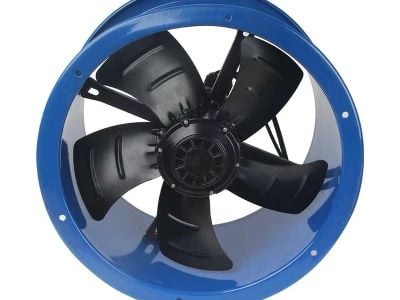
Understanding the differences between axial flow fans and centrifugal fans is crucial for industrial operations. Each type of fan is designed for specific applications and environments, leading to different performance characteristics. For purchasing managers, engineers, and plant operators, knowing which fan fits your plant's needs can significantly impact efficiency, energy consumption and operational costs. This article will delve into the key differences, applications, and considerations for determining the best fan type for your facility.
Where to Buy High-Quality Axial and Centrifugal Fans?
When sourcing axial and centrifugal fans, it's essential to choose a reputable manufacturer that specializes in these products. Look for companies with extensive experience, such as Hangda Electrical, which has been in the industry since the 1980s. Key factors to consider when selecting a supplier include product certifications, manufacturing capabilities, and customer reviews.
Ensure that the manufacturer offers products with recognized certifications such as UL, CE, and CCC, indicating adherence to international quality and safety standards. Additionally, inquire about their production processes, materials used, and any customization options available to meet your specific requirements. Establishing a relationship with a supplier that has a strong export background can also provide insights into their reliability and product performance in various markets.
Axial Flow Fans vs. Centrifugal Fans
Understanding the fundamental differences between axial and centrifugal fans is vital for making an informed choice.
Axial Flow Fans move air along the axis of the fan, which allows for a direct flow. They are typically more compact and can handle large volumes of air at low pressure. These fans are ideal for applications requiring high airflow rates, such as ventilation in large spaces or cooling systems. The compact design also makes them easier to install in tight spaces. However, they are less effective in situations requiring high pressure and can be more susceptible to fluctuations in airflow.
Centrifugal Fans, on the other hand, draw air into the fan and then expel it at a 90-degree angle. This design generates higher pressure, making centrifugal fans more suitable for applications that require overcoming resistance, such as in exhaust or dust collection systems. They are typically larger and can handle a wide range of airflow and pressure requirements, making them versatile for various applications. However, they may consume more energy than industrial axial flow fan, especially in low-pressure scenarios.
Choosing between the two types depends on your specific application needs, including airflow requirements, space constraints, and pressure considerations.
Cost Considerations for Bulk Orders of Industrial Fans
When planning for bulk orders of industrial fans, understanding the cost structure is essential. Factors influencing pricing include:
Material Costs: Fans made from higher quality materials may have higher upfront costs but can offer better durability and efficiency, leading to cost savings over time.
Customization: Custom features tailored to specific applications can increase costs. However, they may also enhance performance, which can justify the investment.
Production Volume: Ordering in bulk often leads to volume discounts. Manufacturers like Hangda Electrical may offer competitive pricing for larger quantities due to economies of scale.
Shipping and Handling: Consider potential additional costs, including packaging and transport, especially for international orders.
Engaging with suppliers to discuss your specific requirements can help clarify the total cost and identify opportunities for savings.
Common Problems with Fans and Effective Solutions for Your Plant
Industrial fans can encounter several issues that affect their performance and longevity. Common problems include:
Vibration: Caused by imbalanced components, which can lead to excessive wear and tear. Regular maintenance and inspection can help identify and correct imbalances early.
Noise: Excessive noise can indicate problems with fan alignment or damaged bearings. Utilizing axial flow fans designed for quiet operation, like those offered by Hangda Electrical, can mitigate this issue.
Reduced Airflow: This could be due to blockages or fan degradation over time. Regular cleaning and maintenance can help maintain optimal airflow levels.
Implementing a proactive maintenance schedule and collaborating with experienced suppliers can help address these issues effectively, ensuring that your fans operate at peak performance.
Applications of Axial Flow and Centrifugal Fans in Industry Settings
Both axial and centrifugal fans serve distinct roles in various industrial applications:
Axial Flow Fans are commonly used in:
Ventilation Systems: Ideal for large spaces needing significant airflow, such as warehouses or factories.
Cooling Systems: Effective in cooling equipment and machinery, ensuring optimal operation.
Centrifugal Fans are best suited for:
Dust Collection: Used in woodworking and manufacturing to remove particles from the air.
Exhaust Systems: Ideal for environments needing to expel hot air or harmful gases effectively.
Selecting the appropriate fan type based on these applications can enhance operational efficiency and compliance with safety regulations. Evaluating your specific needs and consulting with experts can lead to better decision-making in fan selection. understanding the differences between Movable Hand Push Axial Flow Fan and centrifugal fans is key to optimizing your plant's operations. By considering factors such as application, costs and maintenance, you can make informed purchasing decisions that align with your facility's requirements. For further assistance, reaching out to experienced manufacturers like Hangda Electrical can provide valuable insights and tailored solutions for your industrial fan needs.